
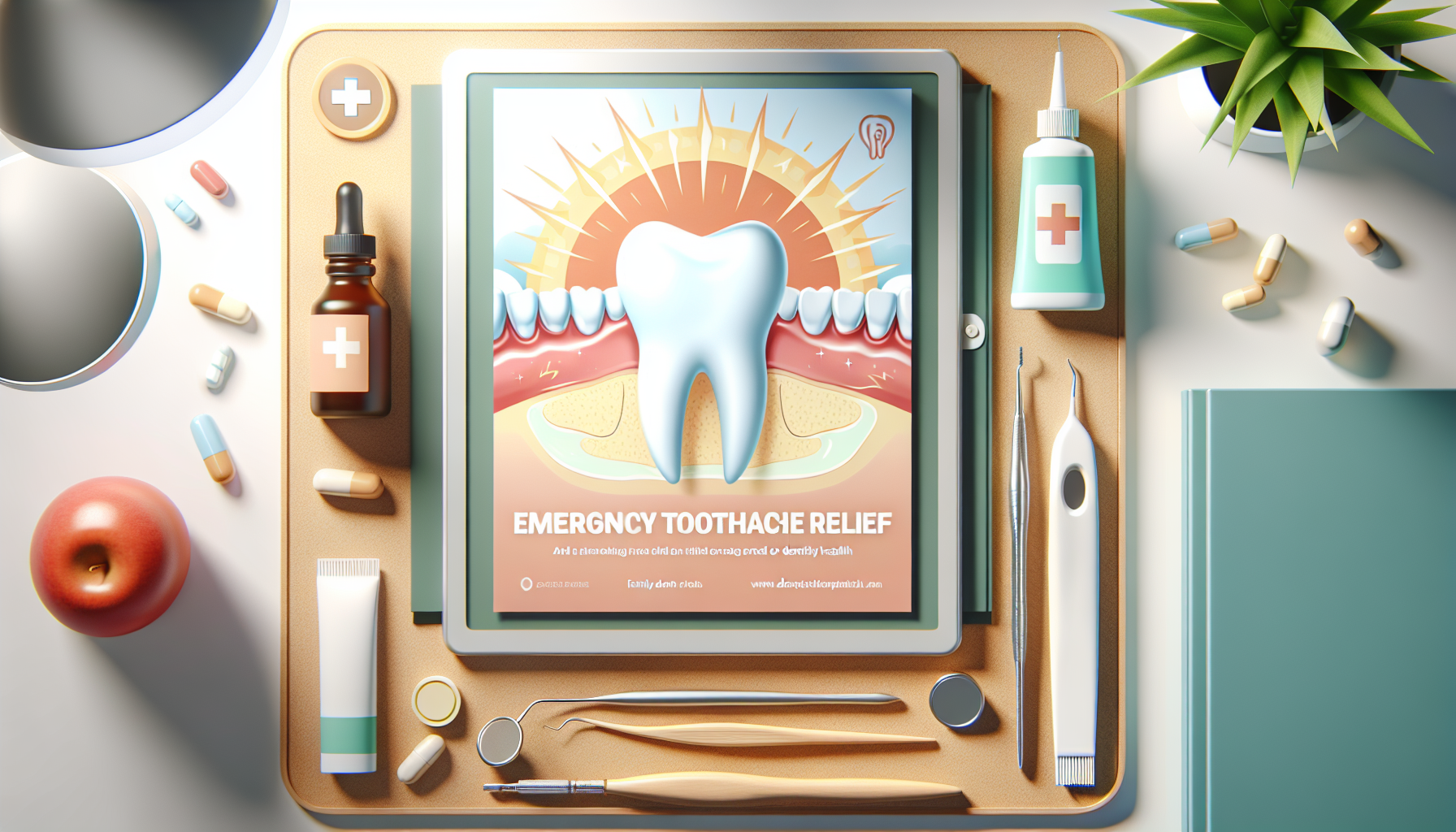
Emergency Toothache Relief in Cincinnati, Ohio: When to Call Your Dentist, What to Do Tonight, and How Kings Dental Can Help
Experiencing a toothache in Cincinnati or Mason, Ohio? Learn what to do tonight for emergency toothache relief, when to call your dentist, and how Kings Dental can help.
Emergency Toothache Relief in Cincinnati, Ohio: When to Call Your Dentist, What to Do Tonight, and How Kings Dental Can Help
A toothache that strikes at night or on the weekend can feel like a genuine crisis. The pain is sharp, relentless, and impossible to ignore, and you need emergency toothache relief in Cincinnati, Ohio right now. Whether the pain woke you up at 2 a.m. or hit during a Friday afternoon soccer game in Mason, knowing what to do in the next few hours, and who to call in the morning, can make an enormous difference in your comfort, your recovery, and even your long-term dental health.
Toothaches are the most common dental emergency in the United States. According to the National Center for Health Statistics, tooth disorders accounted for an annual average of 1,944,000 emergency department visits per year during 2020 to 2022. Yet emergency rooms are not equipped to actually treat dental pain. ER physicians cannot perform root canals or extractions, and the majority of patients who visit an ED for a toothache end up being referred to a dentist anyway. Going straight to a dental provider is almost always the faster, more effective, and more affordable path.
This guide will walk you through safe and evidence-based steps you can take tonight to manage the pain, help you recognize the warning signs that mean you need urgent care, and explain exactly how the team at Kings Dental provides emergency dental care in Cincinnati and Mason so you can get back to feeling like yourself as quickly as possible.

What Causes a Toothache? Understanding Your Emergency Toothache in Cincinnati
Before you can treat a toothache, it helps to understand what might be causing it. Pain is your body's signal that something is wrong, and dental pain in particular can stem from several very different underlying problems, each with its own urgency level.
The Most Common Causes of Tooth Pain
- Tooth decay (cavities): Bacteria erode the enamel and reach the sensitive inner layers of the tooth, causing sharp or aching pain, especially with sweet, cold, or hot foods.
- Cracked or fractured tooth: A crack can expose the nerve and cause intense, unpredictable pain when biting or releasing pressure.
- Dental abscess: A bacterial infection at the root tip or gumline that causes throbbing, severe pain and can spread to the jaw, neck, or bloodstream if untreated.
- Gum disease (periodontitis): Advanced gum disease causes inflammation, bone loss, and deep aching around affected teeth.
- Exposed tooth root: Receding gums or enamel wear can expose sensitive root surfaces, causing sharp pain with temperature changes.
- Lost filling or crown: When a restoration falls out, the exposed tooth structure is vulnerable and often painful.
- Impacted wisdom tooth: A wisdom tooth that cannot fully erupt presses on neighboring teeth and creates significant pressure and pain.
For a deeper look at how sensitivity and decay overlap, see our article on common causes of tooth pain and sensitivity. Understanding the origin of your pain helps our team diagnose you faster and choose the right treatment from the start.
When Is It a True Dental Emergency?
Not every toothache requires a midnight phone call, but certain symptoms demand urgent professional attention. Seek emergency dental care immediately if you experience any of the following:
- Severe, throbbing pain that does not respond to over-the-counter pain relievers
- Visible swelling of the face, jaw, or gums
- Fever accompanied by dental pain
- Pus or a bad taste draining from around a tooth
- Difficulty swallowing or breathing (seek an ER immediately if this occurs)
- A knocked-out permanent tooth
- Symptoms that have persisted for more than 48 hours
Key Takeaway: Swelling, fever, and pus are the three warning signs of a dental abscess. An abscess is not just painful, it is a genuine infection that can spread to the rest of the body if left untreated. Do not wait it out.
Emergency Toothache Relief Tonight: What to Do Before You Can See a Dentist
If your toothache strikes outside of office hours, the goal is to manage pain and prevent the situation from getting worse until you can be seen by a dentist. The following steps are evidence-based, safe, and effective as temporary measures. They treat the symptoms, not the underlying cause, which always requires professional care.
Step-by-Step First Aid for a Toothache
- Rinse with warm saltwater. Dissolve half a teaspoon of table salt in 8 ounces of warm water and rinse gently for 30 seconds. This can dislodge trapped food particles and reduce inflammation around the affected tooth.
- Floss carefully. Sometimes a toothache is caused by food debris wedged tightly between teeth pressing on the gum. Gentle flossing can relieve this pressure immediately.
- Apply a cold compress. Wrap a bag of ice or a frozen gel pack in a cloth and hold it against the outside of your cheek for 15 to 20 minutes at a time. This reduces swelling and numbs the area.
- Elevate your head while sleeping. Lying flat increases blood pressure in the head, which can intensify throbbing dental pain. Prop yourself up with an extra pillow to reduce that pulsing sensation.
- Take an over-the-counter pain reliever. See dosage recommendations below.
- Apply a topical numbing gel. Benzocaine 20% gels (such as Orajel Maximum Strength) can provide localized numbing directly to the gum tissue around the painful tooth.
- Try clove oil. Clove oil contains eugenol, a natural compound with mild anesthetic properties. Apply a small amount to a cotton ball and hold it against the affected area for short-term relief.
Over-the-Counter Pain Relief: Recommended Dosages
The following OTC options are commonly used for temporary dental pain relief. Always follow package directions and consult a pharmacist if you have health conditions or take other medications:
- Ibuprofen (Advil, Motrin): 200 to 400 mg every 4 to 6 hours. Ibuprofen is an anti-inflammatory and is often the most effective OTC choice for dental pain.
- Acetaminophen (Tylenol): 500 to 1,000 mg every 4 to 6 hours. A good option if you cannot take ibuprofen.
- Aspirin: 325 to 650 mg every 4 hours. Effective for pain, but never place aspirin directly on your gum or tooth. This is a common myth that causes chemical burns to the soft tissue.
Important: These medications reduce discomfort but do not cure the underlying dental problem. A toothache that requires OTC medication for more than two days needs professional evaluation, period.
Why the Emergency Room Is Not the Right Answer for Tooth Pain
When dental pain is severe and it is the middle of the night, the instinct to head to a hospital emergency room is completely understandable. But according to national data and clinical research, the ER is rarely the right destination for a toothache, and here is why.
ERs Cannot Treat Dental Problems
Emergency physicians are not trained in dental procedures. They cannot perform a root canal, place a filling, drain a dental abscess definitively, or extract a tooth. At most, an ER visit for a toothache will result in a prescription for antibiotics and/or pain medication, followed by a referral to a dentist. You still have to call the dentist, but now you have also spent hours in a waiting room and incurred an ER bill.
A study published in PubMed (PMID: 18762631) found that only 8.7% of toothache sufferers contacted an emergency department for relief, while 20.1% contacted a physician. Crucially, 80.5% of those who went to the ER also ended up contacting a dentist anyway, confirming that the ER is a detour, not a destination, for dental emergencies.
A Significant Shift Away from Opioid Prescribing
One positive national trend worth noting: opioid prescribing for dental pain at emergency departments has dropped significantly. According to the National Center for Health Statistics, opioids as the sole pain relief drug at ED visits for tooth disorders decreased from 38.1% in 2014 to 2016 down to just 16.5% in 2020 to 2022. Meanwhile, visits where only nonopioid analgesics were prescribed increased from 20.0% to 38.4% over the same period. This reflects updated clinical guidance confirming that ibuprofen and acetaminophen are often equally effective and far safer for managing dental pain short-term.
The bottom line: if you are experiencing a toothache in Cincinnati or Mason, your most effective first call is to a dental office, not an emergency room.
Emergency Dental Care in Cincinnati and Mason: What Kings Dental Can Do for You
Kings Dental serves families across Cincinnati and Mason, Ohio, with same-day emergency appointments designed to get you out of pain quickly and address the underlying problem before it becomes more serious or more expensive.
What to Expect at an Emergency Dental Visit
When you arrive for an emergency appointment at Kings Dental, our team moves quickly to assess your situation and relieve your discomfort. Here is a general overview of the process:
- Focused exam and digital X-rays: We use digital radiography to get a fast, clear picture of what is happening beneath the surface, including infection, fracture lines, or bone loss not visible to the naked eye.
- Diagnosis and treatment discussion: Our dentist will explain exactly what is causing your pain and walk you through your options in plain language, with transparent cost information.
- Immediate pain relief: Local anesthesia is administered so you are comfortable before any treatment begins.
- Same-day treatment when possible: Depending on your situation, treatment may be completed the same day, including root canal therapy for infected teeth, a tooth extraction if the tooth cannot be saved, drainage of an abscess, temporary or permanent restorations, or re-cementation of a lost crown.
Common Emergency Dental Treatments We Provide
- Root Canal Therapy: When infection reaches the pulp of the tooth, a root canal removes the infected tissue, eliminates the pain, and saves the natural tooth. This procedure has a far better reputation than it deserves. Modern root canal therapy is typically no more uncomfortable than a routine filling.
- Emergency Tooth Extraction: When a tooth is too damaged or infected to save, a gentle extraction removes the source of pain and prevents the spread of infection.
- Abscess Drainage and Antibiotics: A dental abscess requires drainage and often a course of antibiotics to bring the infection under control before or alongside definitive treatment.
- Temporary and Permanent Restorations: Lost fillings, broken crowns, and chipped teeth can often be restored the same day to eliminate pain and protect the tooth structure.
- Trauma Management: For knocked-out or displaced teeth from sports or accidents, we follow evidence-based protocols to maximize the chance of saving the tooth.
Sedation Options for Patients with Dental Anxiety
Dental emergencies are stressful enough on their own. If anxiety or fear has historically prevented you from seeking dental care, or if the thought of emergency treatment feels overwhelming, Kings Dental offers sedation options for anxious patients to make your visit as calm and comfortable as possible. You deserve relief from pain without the added burden of dread.
What to Tell Us When You Call
The more information you can provide when you contact our office, the faster we can prepare for your visit. Be ready to share:
- When the pain started and how it has changed over time
- What triggers the pain: cold, heat, biting, lying down, or spontaneous
- What provides even temporary relief
- Whether you have visible swelling, a fever, or drainage
- Your current medications and any known allergies
- Any recent dental work on the affected tooth
Cincinnati and Mason Residents: Understanding the Local Dental Emergency Landscape
Dental emergencies are not evenly distributed, and the Cincinnati region has its own specific context that makes timely access to a private dental practice especially important.
A Region with High Unmet Dental Need
According to the Ohio Department of Health's 2024 Oral Health Report, Ohio recorded 391,223 hospital visits with a primary diagnosis of a non-traumatic dental condition over 2016 to 2019, for an overall rate of 838 hospital visits per 100,000 Ohio residents. Hamilton County, which includes Cincinnati, shows some of the highest rates of these visits in the state, reflecting significant unmet dental need driving patients into costly and less effective ER settings.
Historical public health reporting compiled in the Greater Cincinnati Regional Oral Health Crisis report documented a 100% increase in emergency dental cases at Cincinnati Health Department clinics over an eight-year period, with waiting lists of one to two years at safety-net providers. While Ohio's Safety Net Dental Care program does list Federally Qualified Health Centers and community clinics in Hamilton County that serve uninsured and Medicaid patients, their capacity is limited. For the majority of working families in Mason and suburban Cincinnati, a private practice with same-day emergency availability is the most reliable path to timely care.
Back-to-School Sports Season: A High-Risk Window for Dental Trauma
Late summer and fall bring a spike in dental trauma risk for children and teens across Mason City Schools and Cincinnati-area districts as football, soccer, basketball, and other contact sports seasons begin. A knocked-out permanent tooth is a true dental emergency with a narrow window for successful reimplantation.
If a permanent tooth is knocked out:
- Pick it up by the crown (the white part), not the root.
- Rinse it gently with water. Do not scrub it.
- Attempt to gently reinsert it into the socket and have the child bite down softly on a clean cloth to hold it in place.
- If reinsertion is not possible, keep the tooth moist in a container of milk or saline solution.
- Get to a dentist as quickly as possible. Every minute matters.
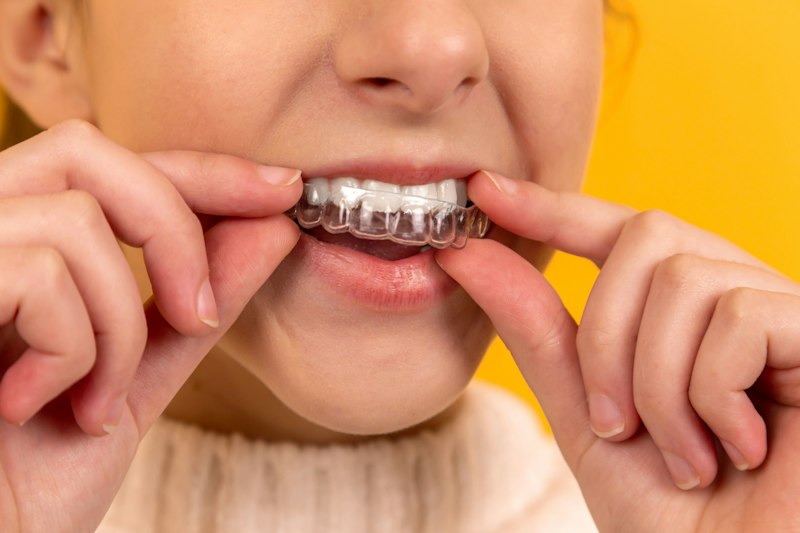
Wearing a properly fitted mouthguard during contact sports dramatically reduces the risk of knocked-out and cracked teeth. Ask our team about custom-fitted mouthguards at your next visit.
Insurance, Medicaid, and Payment Options
Cost is one of the primary reasons patients delay or avoid emergency dental care, and it is a concern we take seriously at Kings Dental. Most dental insurance plans do cover emergency dental services, including exams, X-rays, and many common procedures. For patients without insurance or with coverage gaps, we offer payment plan options to make getting out of pain accessible rather than a financial hardship.
It is worth noting that, according to national data from the National Center for Health Statistics, 55.4% of ED visits for tooth disorders had Medicaid as the primary expected source of payment, suggesting that a large segment of the population may not be fully aware of the private practice options and flexible payment plans available to them. We encourage anyone with a dental emergency in the Cincinnati or Mason area to call our office and ask about options before assuming care is out of reach.
How to Prevent the Next Dental Emergency
The best emergency is the one that never happens. While no amount of prevention eliminates all dental risk, these habits significantly reduce your chances of experiencing a painful dental crisis:
- Maintain consistent oral hygiene: Brush twice daily with a fluoride toothpaste and floss once daily to remove the plaque that causes decay and gum disease.
- Attend regular checkups and cleanings: Routine visits allow our team to catch small problems, a minor cavity, a tiny crack, a pocket of early gum disease, before they become emergencies.
- Wear a mouthguard during contact sports: Custom-fitted mouthguards are far more protective and comfortable than store-bought options.
- Avoid using your teeth as tools: Opening packages, cracking nuts, or biting fingernails puts your teeth at risk for fractures.
- Limit hard and sticky foods: Hard candies, ice chewing, and sticky caramels are common culprits in cracked and broken teeth.
- Address grinding (bruxism): If you wake up with jaw soreness or your partner reports grinding sounds, ask about a nightguard to protect your enamel.
- Do not ignore sensitivity or mild pain: Early symptoms are your body asking for help. Treating a small cavity now is far less involved than treating an abscess later.
Remember: Prompt treatment of a dental problem in its early stages is almost always faster, less invasive, and less expensive than waiting until it becomes an emergency. Treating a cavity today costs a fraction of what a root canal and crown cost tomorrow.
Frequently Asked Questions About Emergency Toothache Relief in Cincinnati
How quickly should I see a dentist for a toothache?
If your toothache is mild and seems related to temporary sensitivity or a food particle, you can attempt home care steps (saltwater rinse, flossing, cold compress) and monitor it for 24 hours. However, if the pain is severe, you have facial swelling, fever, pus, or the pain has lasted more than two days, contact a dentist the same day. These symptoms can indicate an abscess or spreading infection that requires prompt professional treatment. Schedule an emergency dental appointment with Kings Dental as soon as our office opens, or call to ask about after-hours options.
Is it safe to go to the ER for a toothache?
The ER is appropriate if you have severe facial swelling that is affecting your ability to swallow or breathe, as these can indicate an infection that has spread beyond the mouth and may require IV antibiotics or airway management. For the vast majority of toothaches, however, an emergency room visit will result only in pain medication and a referral to a dentist. Going directly to a dental provider is faster, more effective, and typically less expensive than an ER visit for dental pain.
What can I use at home to numb a toothache fast?
The fastest at-home options for temporary numbing include topical benzocaine 20% gel (available over the counter under brand names like Orajel Maximum Strength) applied directly to the gum around the painful tooth, and clove oil applied with a cotton ball. Ibuprofen 400 mg taken with food typically provides the best combination of pain relief and anti-inflammatory effect. A cold compress held to the outside of the cheek can also reduce swelling and numb the area. Remember, these are temporary measures and not substitutes for professional care.
Can a toothache go away on its own?
Rarely, and it depends on the cause. If the pain was caused by a piece of food lodged between teeth, removing it may resolve the discomfort. However, toothaches caused by decay, infection, a crack, or an abscess will not resolve on their own. In fact, if a severe toothache suddenly stops hurting without treatment, it may mean the nerve has died, which does not mean the infection is gone. The infection can continue to spread silently. Any toothache lasting more than two days warrants a professional evaluation regardless of current pain level.
Does Kings Dental see emergency patients in Cincinnati and Mason?
Yes. Kings Dental has locations in both Cincinnati and Mason, Ohio, and we prioritize emergency patients who are in pain. We recommend calling our office as early as possible so our team can fit you in the same day or guide you on immediate next steps. When you call, describe your symptoms fully so we can prepare appropriately for your visit. You can also schedule an emergency dental appointment through our online booking system.
Get Emergency Toothache Relief in Cincinnati, Ohio at Kings Dental
A toothache is more than an inconvenience. It is your body signaling that something needs professional attention, and waiting rarely makes things better. Whether you are dealing with a sharp pain that started tonight, a swollen jaw, a knocked-out tooth from a weekend game, or a dull ache that has been building for days, the team at Kings Dental is here to help you find real relief fast.
We serve families in Cincinnati and Mason, Ohio with compassionate, same-day emergency dental care in Cincinnati designed to get you out of pain and back to your life. From digital X-rays and same-day root canals to gentle extractions and abscess treatment, we have the tools, training, and experience to address your emergency thoroughly and comfortably. And if anxiety is part of what has kept you from seeking help, our sedation options for anxious patients are available to make your visit as stress-free as possible.
Do not wait for a toothache to become a crisis. Schedule an emergency dental appointment at Kings Dental today and let us take it from here.